
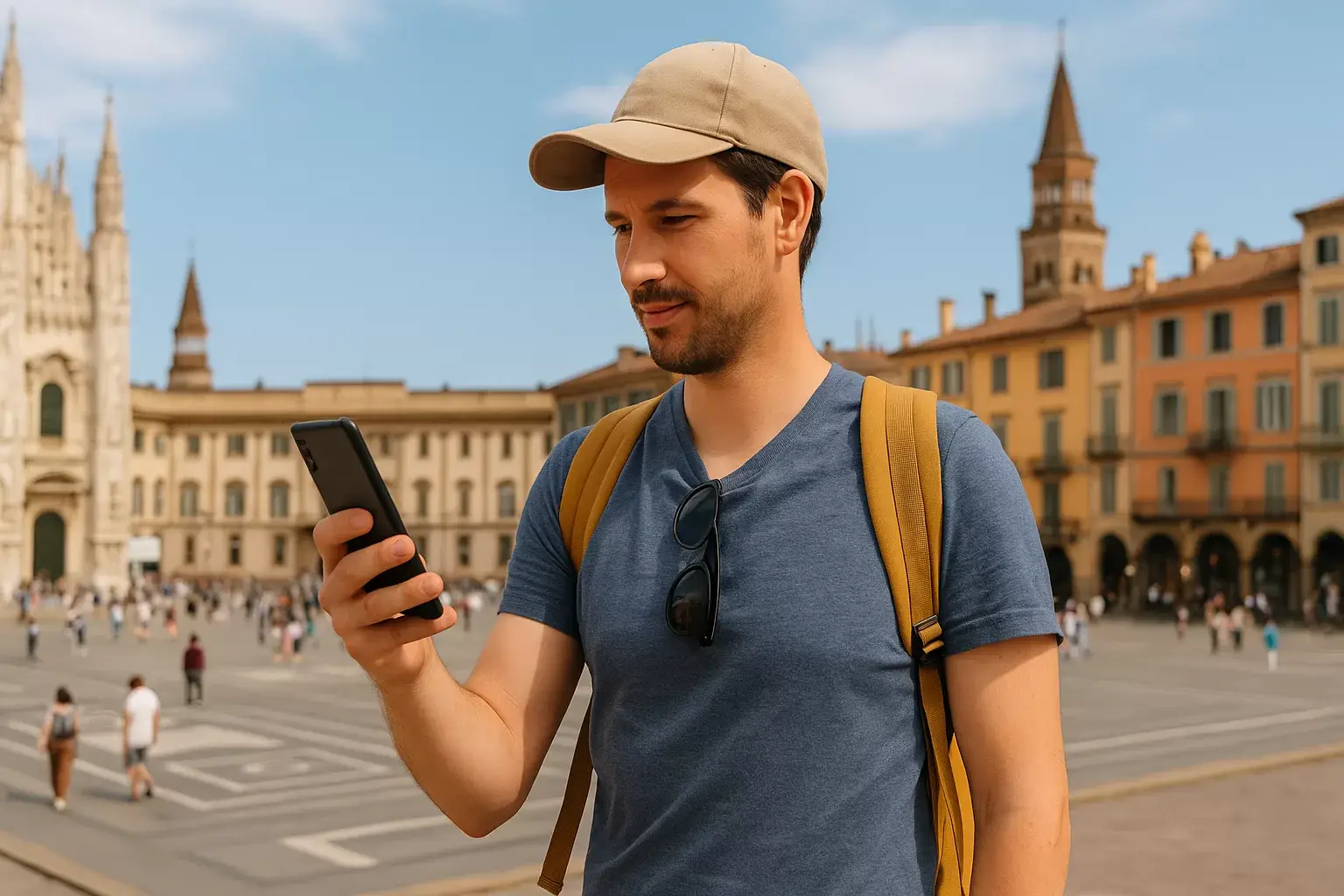
Smartphones are the ultimate travel companions. They guide us through unfamiliar streets, store our boarding passes, capture our best vacation memories, and keep us connected with loved ones. But while they make travel easier, they also create new risks. On vacation, smartphones face a higher chance of theft, accidental damage, or exposure to unsafe networks that can compromise personal data.
Travelers can avoid these pitfalls by following a set of smart, practical precautions designed to keep both their devices and sensitive information secure.
Essential Tips for Vacation Smartphone Security
Before you pack your bags, consider these steps to reduce risks:
- Use protective gear — Invest in a sturdy case and screen protector to guard against drops or bumps. If your trip involves beaches, pools, or boating, a waterproof cover can help prevent water damage.
- Install and maintain mobile security apps — Security apps with antivirus, malware scanning, and theft-alert features are essential. Keep them updated for maximum effectiveness.
- Back up important data — Photos, contacts, and files should be backed up before travel, ideally using both cloud storage and a secure local copy.
- Enable tracking and remote-wipe tools — Built-in features such as “Find My Device” or “Find My iPhone” allow you to locate lost devices or wipe data remotely if stolen.
- Be cautious with public Wi-Fi — Avoid logging into sensitive accounts (like banking or work email) on open hotspots. If you must, use a VPN to encrypt your traffic.
- Plan ahead for roaming — Check your mobile provider’s international plans or consider a prepaid SIM card. Download offline maps and travel guides in advance to minimize reliance on data abroad.
- Practice safe habits — Don’t leave your phone unattended at cafes or beaches, and avoid flaunting expensive devices in crowded tourist areas. Store them securely in hotel safes when not in use.
- Review insurance coverage — Look into whether your travel insurance or device insurance covers loss, theft, or damage while abroad.
Why Extra Precautions Matter During Travel
Travel adds complexity to device security. Tourists are prime targets for pickpockets and thieves, and public Wi-Fi networks in hotels, airports, and cafes are often poorly secured, leaving room for hackers to intercept data. At the same time, families on vacation are usually more relaxed and less vigilant, making mistakes like leaving a phone on a restaurant table or connecting to an untrusted network more likely.
Because smartphones now store such critical information—from personal photos and contacts to email accounts, payment apps, and even digital IDs—the fallout of losing a device can extend far beyond inconvenience. The risks include financial loss, data theft, and exposure of sensitive accounts.
Expert Insights for Safer Travel
Security specialists highlight several best practices that go beyond the basics:
- Limit sensitive data — Before traveling, remove unnecessary apps or files containing financial, work, or personal information that you won’t need on the trip.
- Audit permissions and apps — Check your phone for outdated or suspicious apps and adjust permissions. Apps that access your camera, microphone, or location unnecessarily can pose risks.
- Use multi-factor authentication (MFA) — Add MFA to your most important accounts. Even if someone gains access to your device, MFA helps block unauthorized logins.
- Monitor unusual activity — Check for unexpected spikes in data usage or unfamiliar apps that could indicate hidden malware.
- Have a backup plan — Carry a spare charging cable, power bank, and consider having a secondary low-cost phone for emergencies.
By layering these practices with the core safety measures, families can create a stronger line of defense for their digital lives while traveling.
Conclusion
Vacations should be about relaxing and creating memories—not worrying about compromised devices. By taking a few proactive steps, families can significantly reduce the risks that come with traveling with smartphones. Protective gear helps against physical damage, security apps safeguard against digital threats, backups ensure data safety, and tracking tools provide a lifeline if devices go missing.
When combined with smart habits like avoiding risky Wi-Fi, securing devices in hotels, and limiting sensitive data on the go, these measures help ensure your phone remains a helpful travel tool rather than a liability.
Preparing your smartphone before your trip may only take a short time, but it can save you from costly problems later—and let you focus on enjoying your vacation.
Please subscribe to the Newsletter so that you do not miss any critical update